





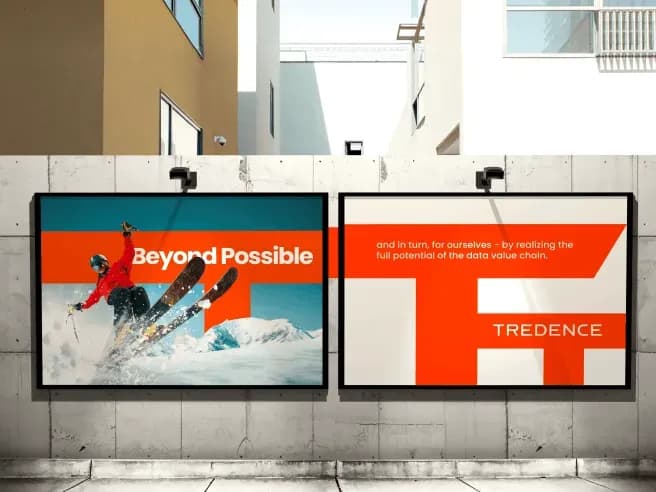


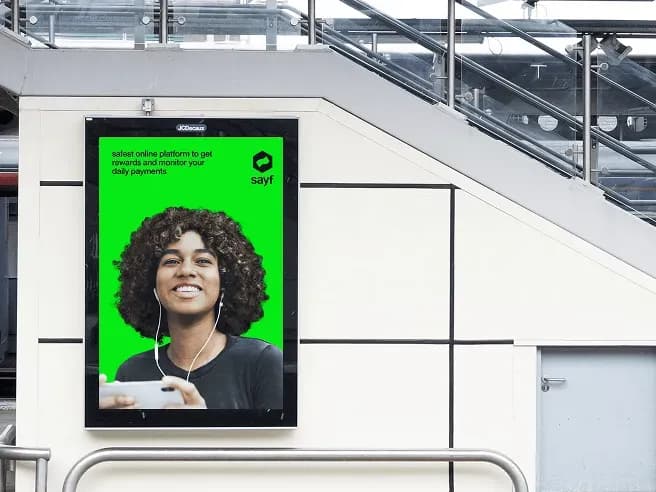
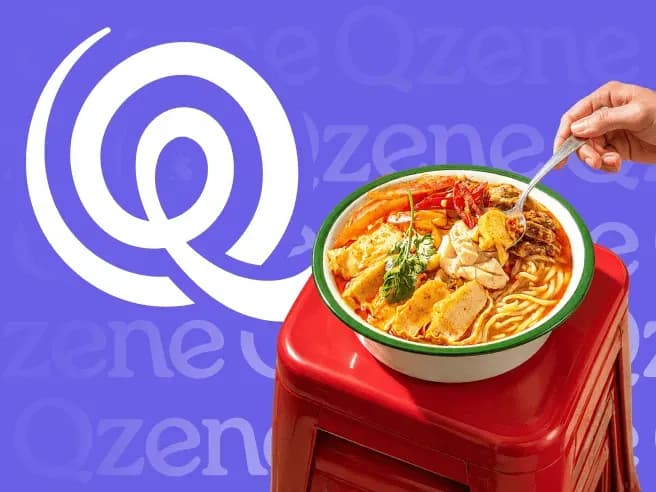
[ 20+ Awards Across the Globe ]

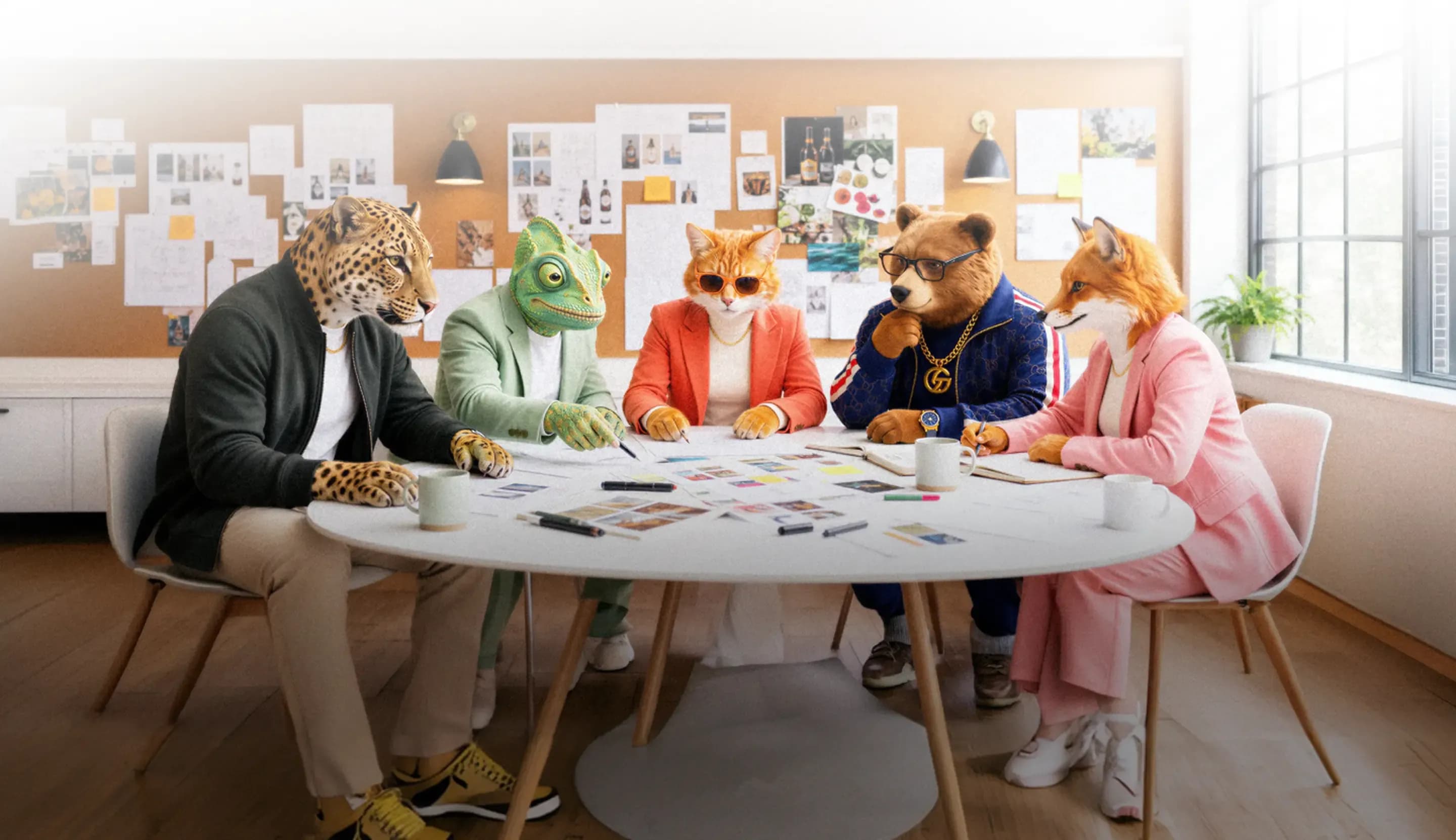
Our cross-disciplinary team brings strategy, brand design, UI UX design, and technology into one room, then adds AI to the mix. Ideas turn into results faster, and the thinking stays unmistakably human.
[ 80+ brands, 13+ industries ]
















Everything we're really great at
View all Services
Product Design
As a UI UX design company, we design products that feel simple on the surface, even when it's busy underneath.
Know more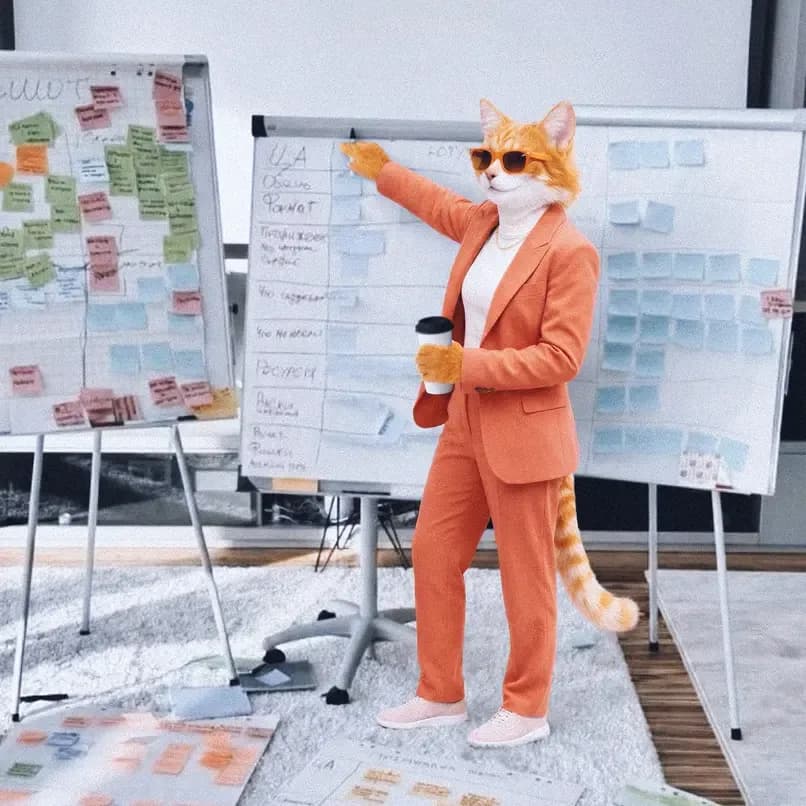
Branding & Marketing
Look sharp, sound human, stay memorable. We're the digital marketing company that also builds the brand it's marketing.
Know more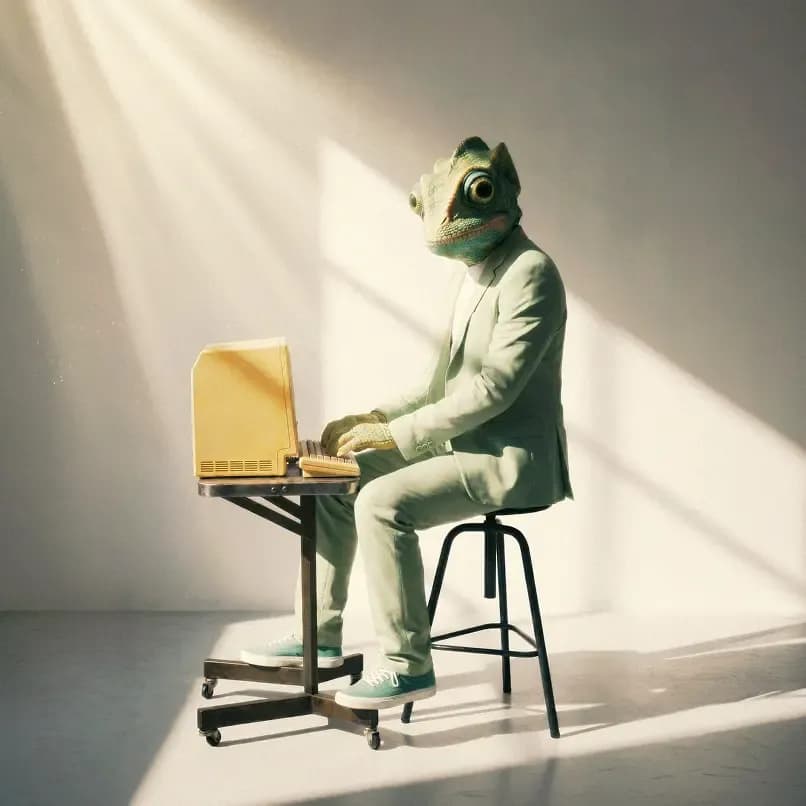
Tech & Engineering
A full stack development company in-house, so nothing gets lost between design and build. And as an AI development company, we ship AI that works in production, not in a demo.
Know more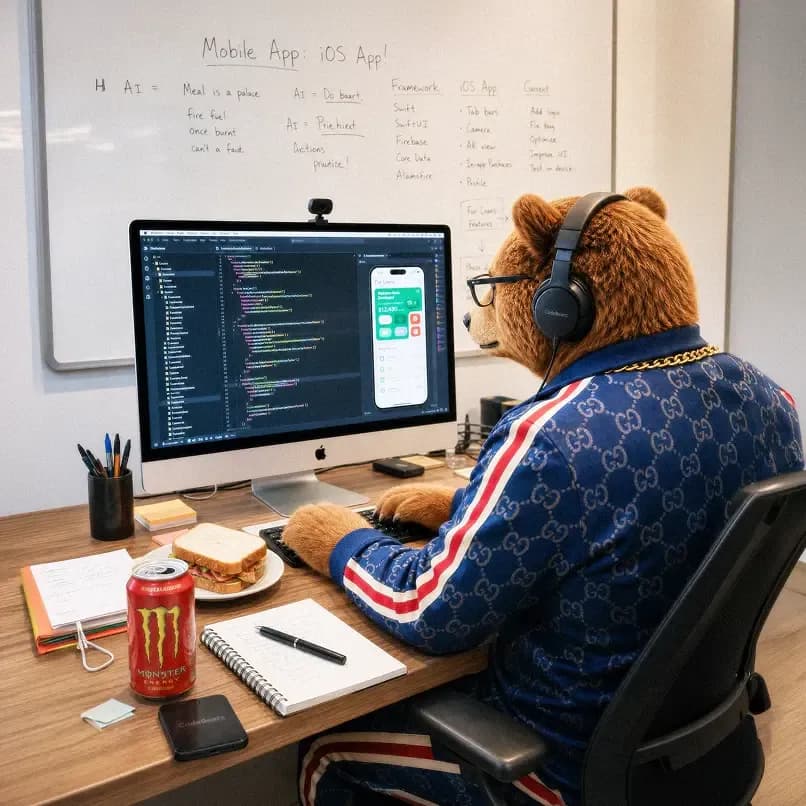
Research
We find out what your users actually do, not what they say in a survey. Every product decision after that gets cheaper and less of a guess.
Know more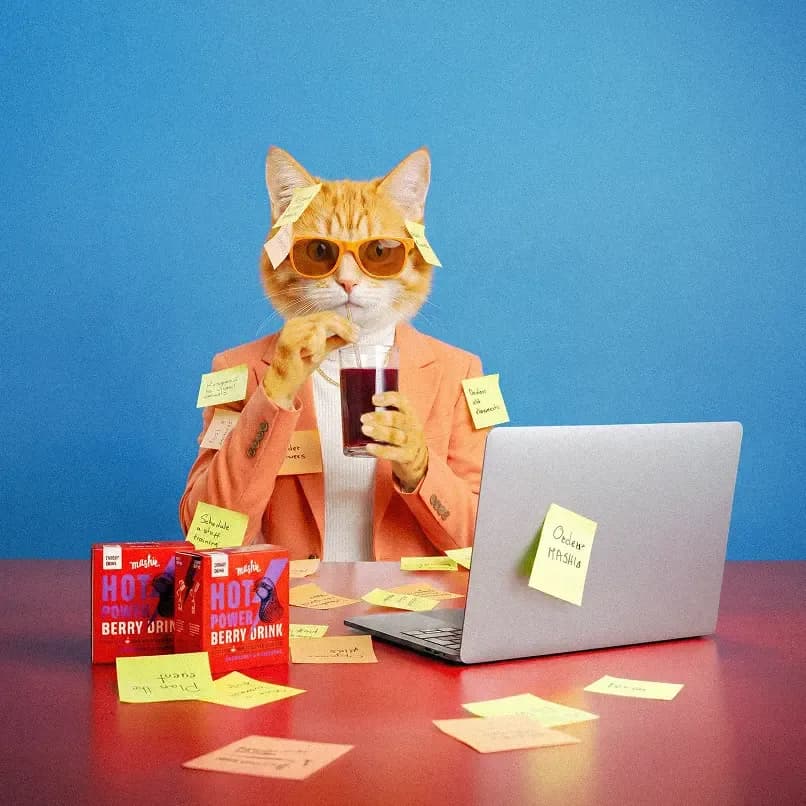
At Red AI handles the repetitive stuff. The humans handle the interesting stuff.

The RED process -
building confidence from day 1!
[01]
02
03
Reveal
We start by understanding what's unclear, what's slowing things down, and where the real opportunity actually is.
Envision
We shape the answer before anyone builds it. What gets made, what gets cut, and what it looks like when it works. Decisions land here, not three months in.
Deliver
Design, build, ship, and stay. We review what launched against what was approved and fix the gaps before your users find them.
[01]02
Reveal
We start by understanding what's unclear, what's slowing things down, and where the real opportunity actually is.
Envision
We shape the answer before anyone builds it. What gets made, what gets cut, and what it looks like when it works. Decisions land here, not three months in.
Deliver
Design, build, ship, and stay. We review what launched against what was approved and fix the gaps before your users find them.
10+
Years in business
200+
Projects delivered
120+
Specialists
20+
International Awards
I am extremely satisfied with the way they approached and understood our requirements, the systematic way in which the progress was shared and discussed and ultimately the way the end product has turned out.

Yours, Yours, CEO
Red Baton is very professional and innovative when it comes to their work. We were delighted with the on-time delivery and efficiency of the deliverables.

MoEngage, MoEngage, VP Marketing
I would any day recommend Red Baton for the kind of quality dedication and ownership exhibited by its designers and researchers.

Glance, Glance, Director - User Experience Design
Red Baton was quick, responsive and innovative in giving us suggestions.

Chai Point, Chai Point, COO
Red Baton did a wonderful job on defining visual & strategic aspects of our brand and help us go to the users across platforms in a cohesive way!

Yulu, Yulu, Head Of Marketing
We recommend Redbaton for their remarkable creativity, detailing of work and dedication. We are so confident that they will take your project to new heights.

CRM Next, CRM Next, Group Product Manager-PAG
Let’s build something
great together
I need
Hear about us in News
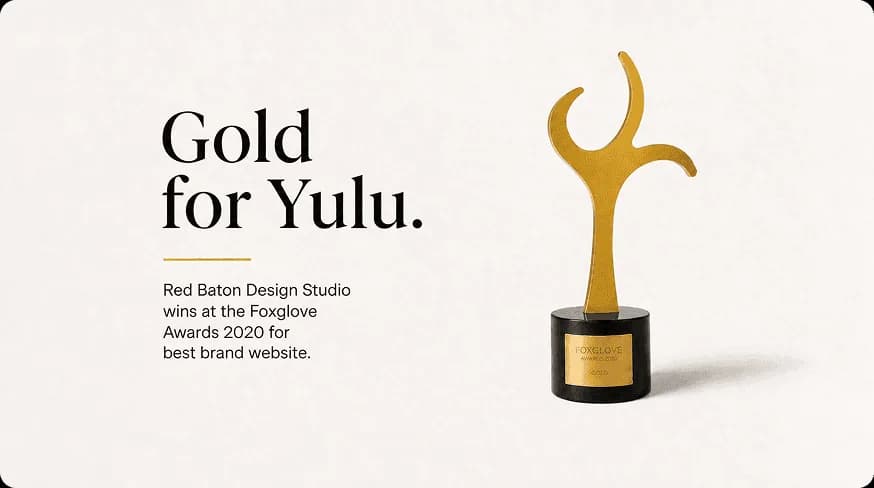
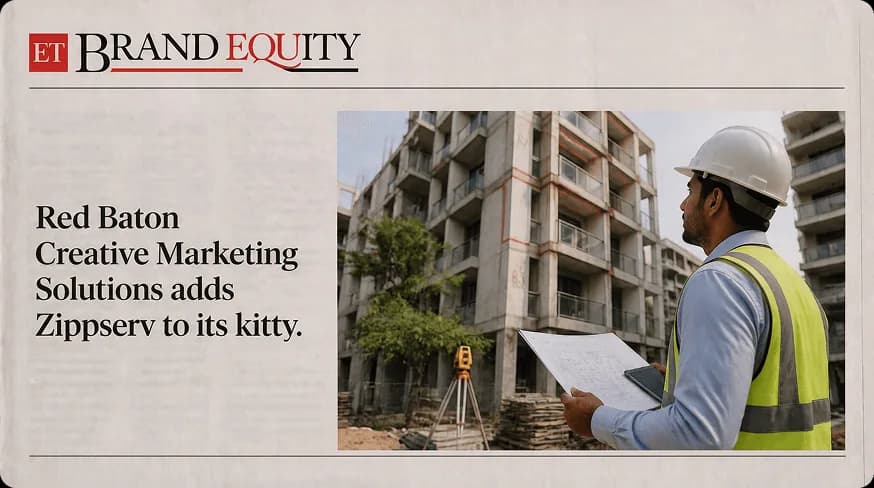
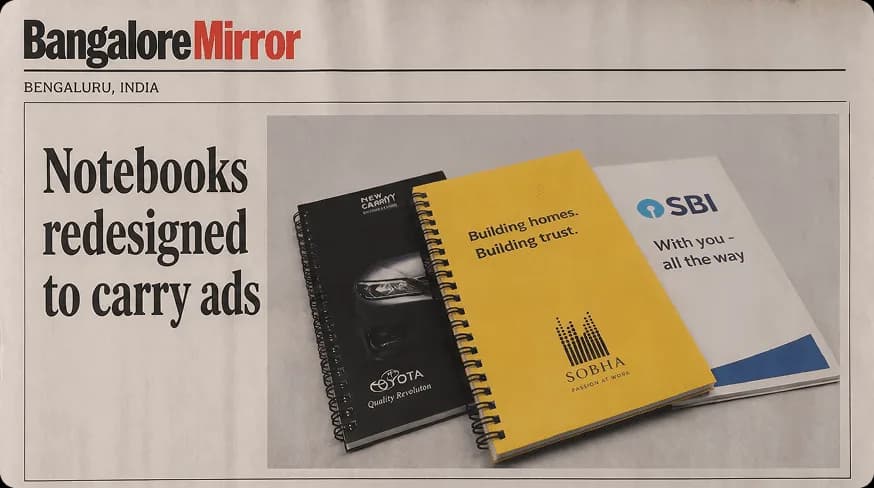
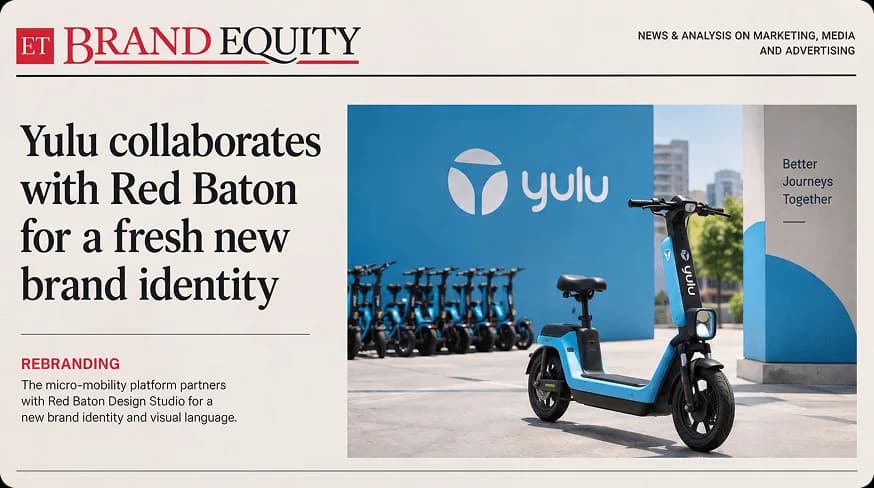
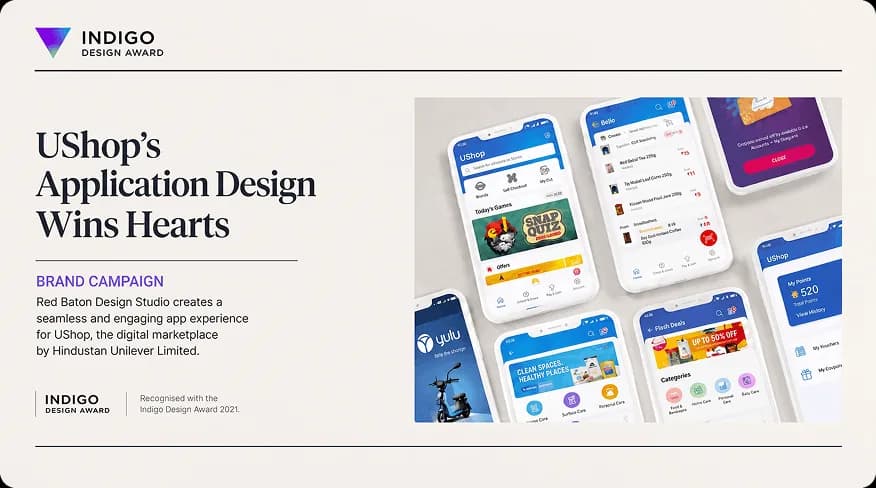
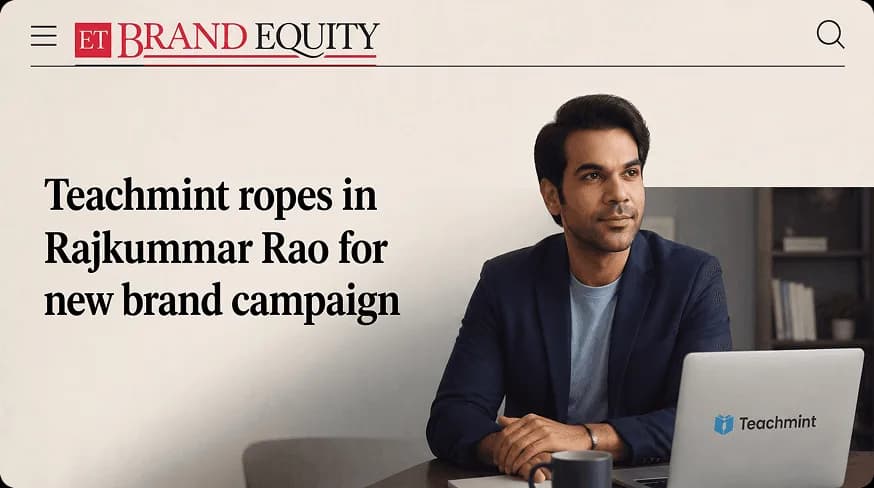
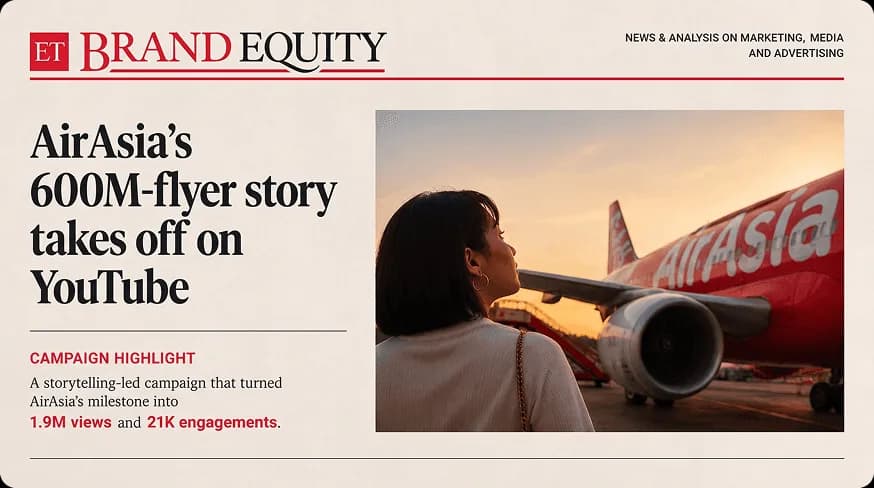
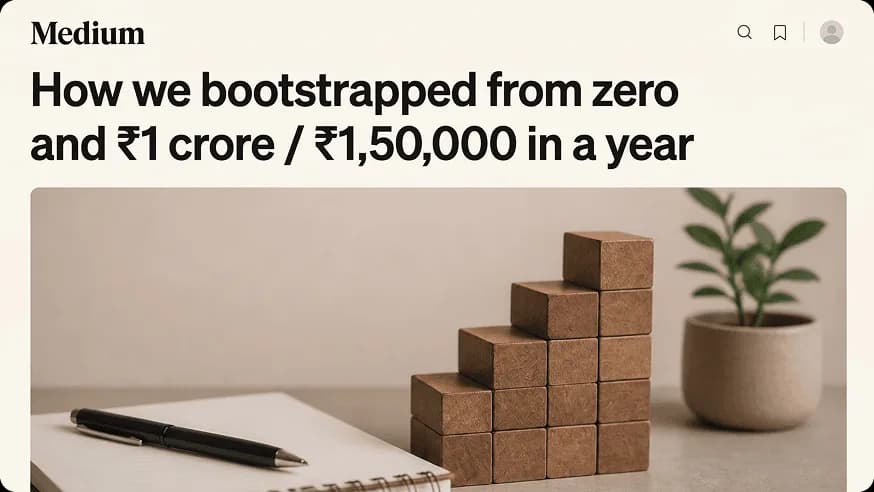
Most teams come to us when they’ve outgrown disconnected workflows where design, branding, marketing, and engineering are all operating separately. We work across the entire product experience, which means the strategy, interface, and implementation are built to work together from day one.
We handle both. Alongside product and interface design, we also work as a full-stack development company, helping teams move from early concepts to production-ready digital products without losing momentum between design and engineering.
Because branding today goes far beyond logos and visual identity. As a brand design company, we focus on how a brand behaves across products, campaigns, websites, and customer touchpoints — not just how it looks in a presentation deck.
Both. Some teams come to us with a rough idea and a half-finished Figma file. Others already have large-scale products that need redesigns, optimization, or support from an experienced digital marketing company and product team.
We use AI where it genuinely improves speed and efficiency — research synthesis, workflow acceleration, rapid prototyping, and production support. But we don’t believe good products come from prompts alone. That’s why our process combines human-led thinking with systems built by an AI development company mindset.
Everything from consumer apps and SaaS platforms to enterprise dashboards and ecommerce systems. As one of the emerging product design companies in India, we work across industries where usability, scalability, and clarity actually matter.
Not really. While a lot of teams discover us through branding or UX work, we also support growth, campaigns, and digital execution as a graphic design company in India, product partner, and integrated creative team.
Chatter about
Design & random stuff
 Still Confused? Let’s Talk?Get in touchStill Confused? Let’s Talk?Get in touchStill Confused? Let’s Talk?Get in touchStill Confused? Let’s Talk?Get in touchStill Confused? Let’s Talk?Get in touchStill Confused? Let’s Talk?Get in touchStill Confused? Let’s Talk?Get in touchStill Confused? Let’s Talk?Get in touchStill Confused? Let’s Talk?Get in touchStill Confused? Let’s Talk?Get in touch