










Feb 4, 2026

The contemporary digital landscape is defined by a transition from functional efficiency toward the elevation of human experience as a core business driver. Organizations that transcend traditional customer experience to embrace human experience design (HXD) position themselves more effectively to create meaningful connections, foster long-term loyalty, and achieve sustainable growth. This paradigm shift requires a move away from fragmented, feature-led development toward a holistic approach that considers the entire ecosystem—including consumers, employees, and the environmental impact of digital products. At the center of this transformation is the design agency as a strategic partner, a role Redbaton has occupied since its foundation in 2015, focusing on simplifying the inherent complexity of enterprise-level challenges through scientific data analysis and artistic design qualities.
The shift toward human experience design represents a realization that digital interactions do not occur in a vacuum; they are part of a broader human narrative. Human Experience design allows companies to account for an individual’s beliefs, feelings, values, and ambitions, which form the foundation of their brand engagement. This approach is not merely about aesthetic appeal but about authenticity; a human experience cannot be faked, and users eventually identify and gravitate toward brands that stay true to their values.
For enterprise leaders, this transition means moving beyond segments and buyer personas to touch upon human complexities. While marketers often divide audiences into segments for positioning, this often fails to capture the multifaceted nature of human interaction. Organizations like Casper have demonstrated the success of this model by designing for specific human moments—celebration, care, and rescue—rather than just selling a product.
| Dimension | Traditional UX/UI Focus | Human Experience Design (HXD) |
| Primary Goal |
Usability and task completion |
Meaningful connection and loyalty |
| Scope |
Digital interfaces and interactions |
Entire ecosystem (employees, environment) |
| Foundation |
Functional requirements and personas |
Beliefs, feelings, and ambitions |
| Outcome |
Efficiency and reduced friction |
Trust, love, and inspired dreams |
The necessity of this shift is grounded in the demand for authenticity in an ever-changing world. Brands that deliver a transparent ecosystem for stakeholders and employees find that these individuals feel valued and remain committed for longer periods. This creates an adaptive, cognitive, and purposeful organization capable of satisfying both sophisticated customer expectations and the corporate conscience.
Great products may begin with intuition, but their success is contingent upon rigorous research insights. For a design partner like Redbaton, research is not a preliminary step but a continuous immersion into the uniqueness of individual projects. This involves workshop sessions with key stakeholders to document everything from business logic and product audits to user stories, technical constraints, and priorities.
The complexity of enterprise systems, such as the Shikhar app developed for Unilever, illustrates the power of research-led simplification. By allowing over a million Indian retailers to purchase products digitally from wholesalers, the app removed the dependency on traditional sales reps, enabling convenient order tracking and returns. This was achieved by combining qualitative insights with data-driven strategies to ensure scalability and competitive advantage.
In the research phase, competitive benchmarking serves as a critical tool for identifying industry standards in animations, color usage, input components, and information architecture. This is often followed by a UX audit, which uses a specific checklist to identify inconsistencies and determine the functionality of vital components. For projects like Tally’s website, research-led design was used to improve readability and desirability specifically for users in tier-2 and tier-3 cities.
The discovery process must be comprehensive, involving the identification of pain points, the definition of target audiences, and the establishment of success criteria using metrics like OKRs and KPIs. This systematic approach ensures that design decisions translate into real business outcomes, such as improved conversion rates or reduced delivery friction between design and technology teams.
As products grow, maintaining consistency becomes exponentially more difficult. An Enterprise Design System (EDS) serves as a centralized collection of design tokens, components, and guidelines that help product teams build consistent, high-quality interfaces. Unlike a simple style guide, an EDS contains reusable code and design resources that act as a single source of truth for the entire organization.
A robust EDS is built on layers of abstraction that allow for both global control and local flexibility. These systems typically include logos in various formats, typography parameters, color palettes, and content templates for various platforms.
| System Level | Element | Purpose |
| Foundational Atoms | Design Tokens |
Store raw values like colors and spacing in variables. |
| Molecules | Basic Components |
Buttons, inputs, and icons built from tokens. |
| Organisms | Complex Components |
Navigation bars, cards, and tables. |
| Templates | Page Layouts |
Reusable structures for consistent UX across brands. |
The strategic power of tokenization cannot be overstated. By changing design decisions into named variables—such as brand-primary instead of a hex code like #FF6B35—teams can update an entire digital ecosystem instantly. This is particularly valuable during rebranding efforts or when adjusting for international markets with different reading patterns.
The financial and operational impact of a design system is measurable across three key areas: consistency, scaling, and collaboration. Design systems eliminate redundant work, allowing teams to prototype faster and focus on solving specific problems rather than debating the look of a button.
| ROI Metric | Impact of Design System Implementation |
| Time-to-Market |
3-4 times faster to market due to reusable components. |
| Development Efficiency |
Significant reduction in redundant code and manual UI updates. |
| Design Debt |
Centralized maintenance prevents the accumulation of inconsistent patterns. |
| Maintenance Costs |
Improvements in a shared component propagate globally, reducing repair work. |
One significant case study is the Deloitte transfer pricing software reimagining, where the design system enabled collaboration across 18 countries by providing a standardized framework for complex data-heavy interfaces.
Governance is the process and protocol for maintaining and updating a product’s design system. Without effective governance, a design system quickly becomes an afterthought or a side project, leading to poor communication and reluctance from team members to adopt the system.
Choosing the right governance model depends on the organization’s size, maturity, and product diversity.
| Model | Ownership | Pros | Cons |
| Centralized | Dedicated DS Team |
High consistency; clear accountability. |
Risk of becoming a bottleneck. |
| Federated | Shared across teams |
High adaptability; encourages innovation. |
Challenging to maintain strict quality. |
| Community | Inclusive contribution |
Democratic; promotes widespread engagement. |
Slow decision-making. |
| Mixed | Hybrid approach |
Balances consistency with flexibility. |
Requires strong management framework. |
A effective governance model ensures that every change follows a standardized lifecycle: propose, review, build, document, release, measure adoption, and finally, deprecate. This rigorous process prevents teams from “hijacking” the design system with one-off solutions that undermine the product’s usability and consistency.
For multi-product ecosystems, “lightweight governance” is often the goal—maintaining a single source of truth while allowing for fast-paced iteration without adding excessive process overhead. This involves creating an exception path for one-offs with a specific expiry date or migration plan, ensuring that the system remains a living document that evolves with user feedback and technological advancements.
Product design and development are two sides of the same coin, yet their differing priorities—aesthetics and user experience for designers versus technical feasibility and performance for engineers—can lead to friction. The goal of a senior consultant is to harmonize these priorities to create a product that is both beautiful and highly functional.
The transition from design to development is a critical stage. Effective cross-functional teams, comprising both designers and developers, foster innovation by bringing different perspectives to complex challenges. This is supported by using production-ready components and maintaining design-code parity, where updates in the codebase are automatically reflected in design tools like UXPin or Figma.
A significant challenge in this process is managing iterative changes. Frequent design revisions during the development phase can increase workload and strain team dynamics if not managed properly. The solution lies in an iterative feedback loop where challenges are communicated early and often, ensuring that both teams stay aligned with the project’s goals.
The Shikhar App serves as a prime example of successful design-development integration. Working closely with Unilever’s tech team, the design team delivered a UX that empowered over a million small shop owners. By focusing on simplified workflows and clear information hierarchy, the app transformed a complex digital purchasing process into an intuitive experience that improved retailers’ digital independence.
Artificial Intelligence is fundamentally redefining the UI/UX design process, moving from human ingenuity alone to a symbiotic relationship with intelligent algorithms. For founders and product leaders, staying ahead of this curve is crucial for maintaining relevance.
AI tools are revolutionizing various stages of the design and development lifecycle:
| Tool Category | Example Tools | Impact |
| Concept Generation | Adobe Firefly, DALL-E 3 |
Rapid visualization of ideas and asset creation. |
| UI/UX Optimization | Uizard, Khroma |
Automated layout suggestions and color palette generation. |
| Text/Content | ChatGPT, Jasper |
Persuasive copy and persona development. |
| Prototyping | Framer AI, Magician |
Converting static images into clickable designs. |
However, the over-reliance on AI can stifle human intuition and creativity. Strategic design requires balancing these tools with a deeper understanding of user needs to avoid biased or inaccurate outputs. The future of navigation involves searchless interfaces for AI-native products and agentic systems, where AI behavior must be aligned with brand personality to ensure a consistent human experience.
A brand is more than just a logo; it is the total of all perceptions and emotions a customer goes through in their journey. Strategic branding ensures that every touchpoint—from social media to product packaging—communicates the same message and visual appeal.
A comprehensive brand style guide is the foundation of visual consistency. It outlines the specific rules for using logos, color palettes, and typography, ensuring that anyone involved in producing branded materials adheres to the same standards.
For enterprise-level companies, brand architecture defines the strategic framework of how different products relate to each other—whether as a “Branded House” or a “House of Brands”. This clarity helps consumers understand the relationships within an organization and enhances brand equity.
| Branding Element | Strategic Function |
| Logo Usage |
Specifies versions (color, B&W) and spacing to prevent crowding. |
| Typography |
Selects legible fonts that reflect the brand’s personality. |
| Imagery/Graphics |
Defines the style of photography and icons for a cohesive look. |
| Tone of Voice |
Ensures the brand’s “sound” is consistent across communications. |
Visual consistency builds trust and credibility. A professional and polished presentation across platforms makes a brand instantly recognizable, which fosters reliability and long-term customer loyalty.
To measure the true quality of an experience, organizations must look beyond traditional KPIs like clicks and time on page. Practical experience metrics focus on clarity, effort, confidence, and long-term value.
Cognitive Effort: Measures how hard users have to think to progress through a task.
Behavioral Momentum: Tracks whether the behavior flows forward or stalls at critical drop-off points like form steps or permission screens.
Outcome Confidence: Assesses whether users feel sure they did the right thing via post-task micro-surveys.
Long-Term Value Signals: Tracks whether using a feature leads to repeat, durable value rather than one-time engagement.
These metrics should be part of a unified governance cadence, connecting experience quality directly to growth experiments and roadmap bets. This prevents the creation of “design-only” dashboards that fail to influence budgetary and product decisions.
In the era of AI-powered search, SEO has evolved from keyword stuffing to intent optimization and topical authority. Visibility now favors brands that publish comprehensive, evidence-backed explanations that AI systems can cite confidently.
| Intent Type | User Goal | Strategy |
| Informational |
Knowledge seeking. |
Comprehensive guides and answer boxes. |
| Navigational |
Finding a specific brand. |
Brand recognition and direct landing pages. |
| Transactional |
Ready to purchase. |
Optimized CTAs and service-specific pages. |
The E-E-A-T (Experience, Expertise, Authoritativeness, and Trustworthiness) framework is more critical than ever. Google prioritizes content written by recognized subject-matter experts and brands that demonstrate mastery over an entire topic domain through interconnected “content clusters”.
Technical excellence is now a fundamental requirement for search rankings. Core Web Vitals, mobile page experience, and site architecture are critical factors that search engines use to evaluate quality.
Page Load Speed: Optimizing image sizes (keeping them below 55kb in WebP format) improves load times and crawl efficiency.
Semantic HTML: Using proper H1 to H6 tags signals content hierarchy to search engines and screen readers.
Internal Linking: Strategic internal links can boost site performance by up to 20%, passing equity to high-priority pages.
Accessibility: Alt text for images and descriptive anchor text (e.g., “Illinois engineering program details”) are essential for both inclusive design and SEO.
Different industries face unique experience challenges that require specialized design strategies. In B2B SaaS, the focus is often on simplifying complex workflows, especially in regulated environments. For example, Geoserve utilized a SaaS solution to streamline maritime emissions calculation and tax management—a task requiring high precision and information hierarchy.
In the mobility sector, Yulu collaborated on rebranding and visual identity, winning more than seven international awards by creating a cohesive experience across platforms. This demonstrates how professional design services can take a project to “new heights” through dedication and creativity.
| Sector | Design Challenge | Strategic Solution |
| Fintech |
Complexity and Trust. |
Transparent workflows and high confidence signals. |
| Maritime/SaaS |
Data-dense interfaces. |
Information hierarchy and customized configurators. |
| E-commerce |
Conversion and Visibility. |
Unified PPC/Organic strategy and optimized CTA graphics. |
| Enterprise |
Multi-product scale. |
Design systems and centralized governance. |
For founders and decision-makers, the choice of a design partner is a strategic investment in the product’s future. An external partner like Redbaton does not merely deliver UI/UI; they bring product thinking, branding, and engineering together to reduce execution quality gaps and improve speed. The five essential values—learning, moving fast without breaking things, battling over ideas, delivering the best, and celebrating uniqueness—ensure that every design decision is grounded in user insight and business intent.
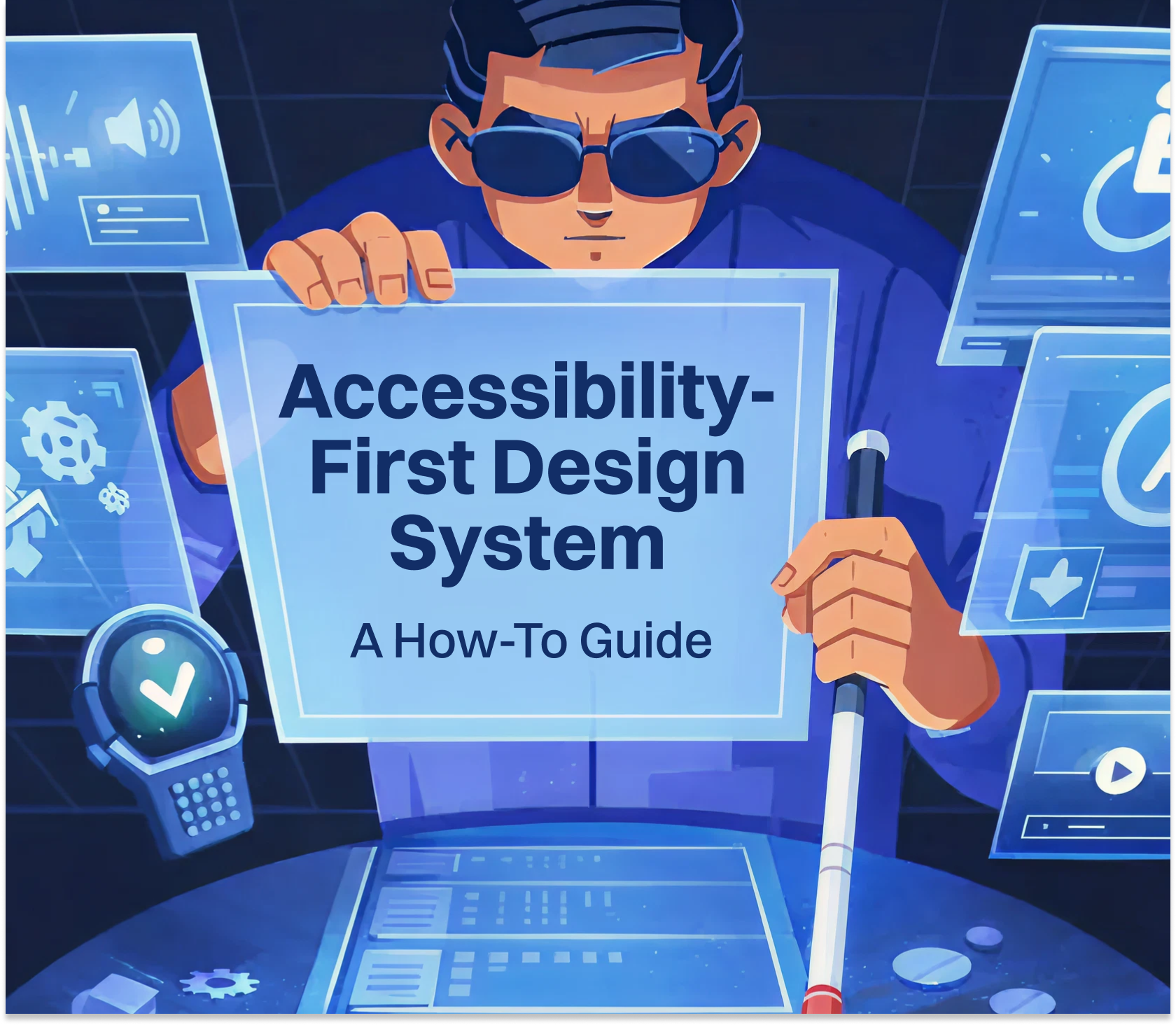
As technology matures, the ability to create “delightful human experiences” will remain the ultimate differentiator. Whether it is through the implementation of an accessibility-first design system for an enterprise or the rapid prototyping of an MVP for a startup, the focus must remain on the human at the center of the technology. By embracing rigorous research, robust governance, and the strategic use of emerging AI tools, organizations can build products that not only scale but inspire.
The path forward for enterprise leadership is clear: treat the design system as a living product, prioritize the human experience across all stakeholders, and maintain a relentless focus on data-driven experience quality. This is the blueprint for sustainable growth and market leadership in the years to come.


