




The Problems we hear about the most
High drop-off at critical steps
KYC abandonment, incomplete payments, and half-finished onboarding aren't user problems; they are design problems with measurable fixes.
The product feels less credible than it is
A fintech app design that looks dated or inconsistent makes users second-guess a product that's actually solid underneath.
Complex flows that users can't navigate alone
Loan applications, investment setups, and insurance claims are genuinely complicated processes. Good financial product design makes them not feel that way.
No clear design direction as the product scales
Without a design system, every new feature adds to the inconsistency. What worked at 10,000 users could break at 10 million.
UX debt that's slowing down the whole team
Engineering slows, users grow confused, and new features are harder to ship with workarounds, inconsistent patterns, and legacy screens.
What good banking app UI and product design looks like
 Banking app onboarding and KYC flows that get users to their first transaction without abandonment.Payment & transaction UX where every state, success, failure, and pending is unambiguous.Complex financial flows - loans, investments, and insurance - feel structured and easy to navigate.Financial dashboards that tell users what to look at first, not just what exists.A design system that keeps every new feature feeling coherent as the product scales.
Some of the Clients we served



More success stories
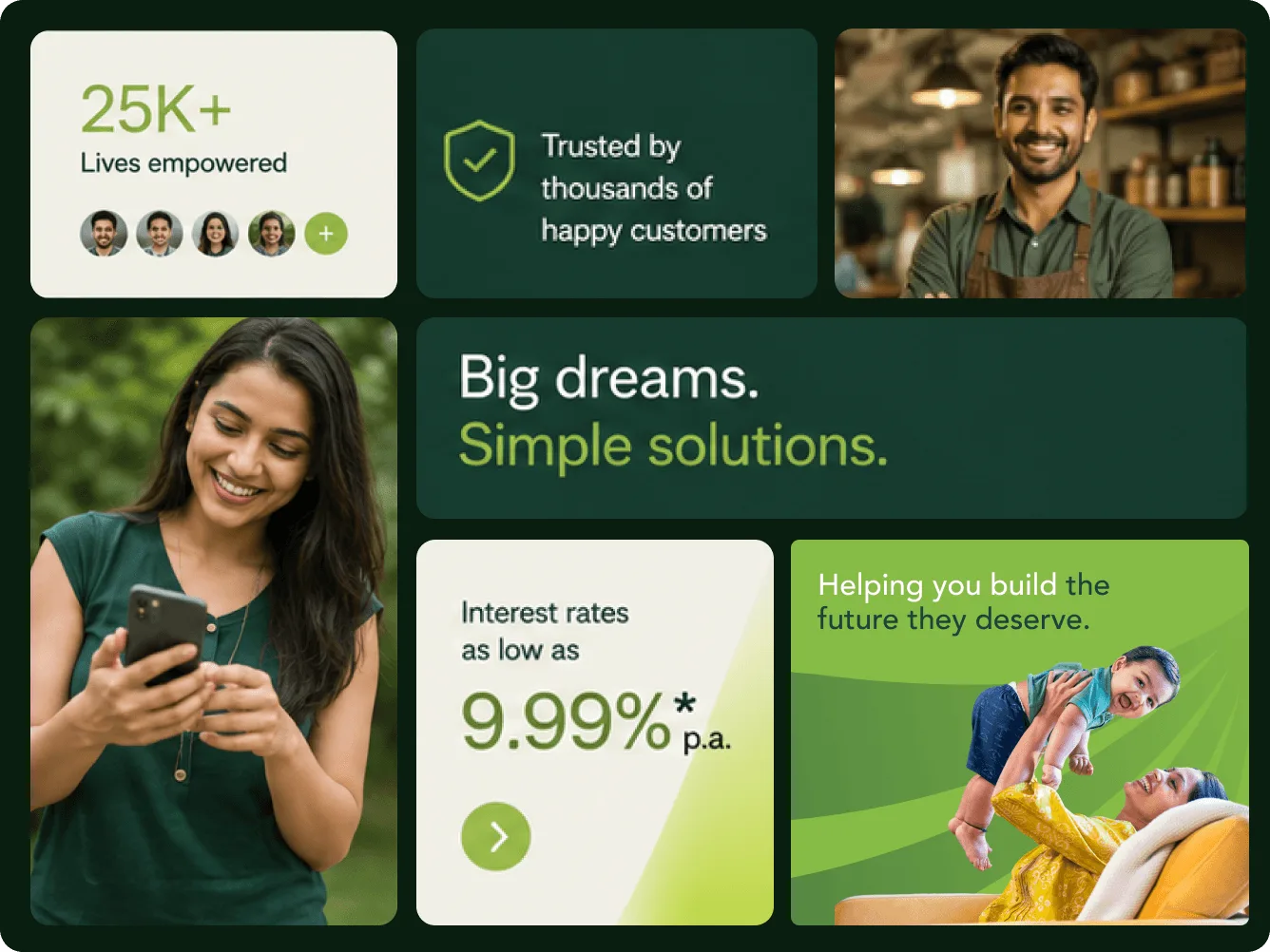

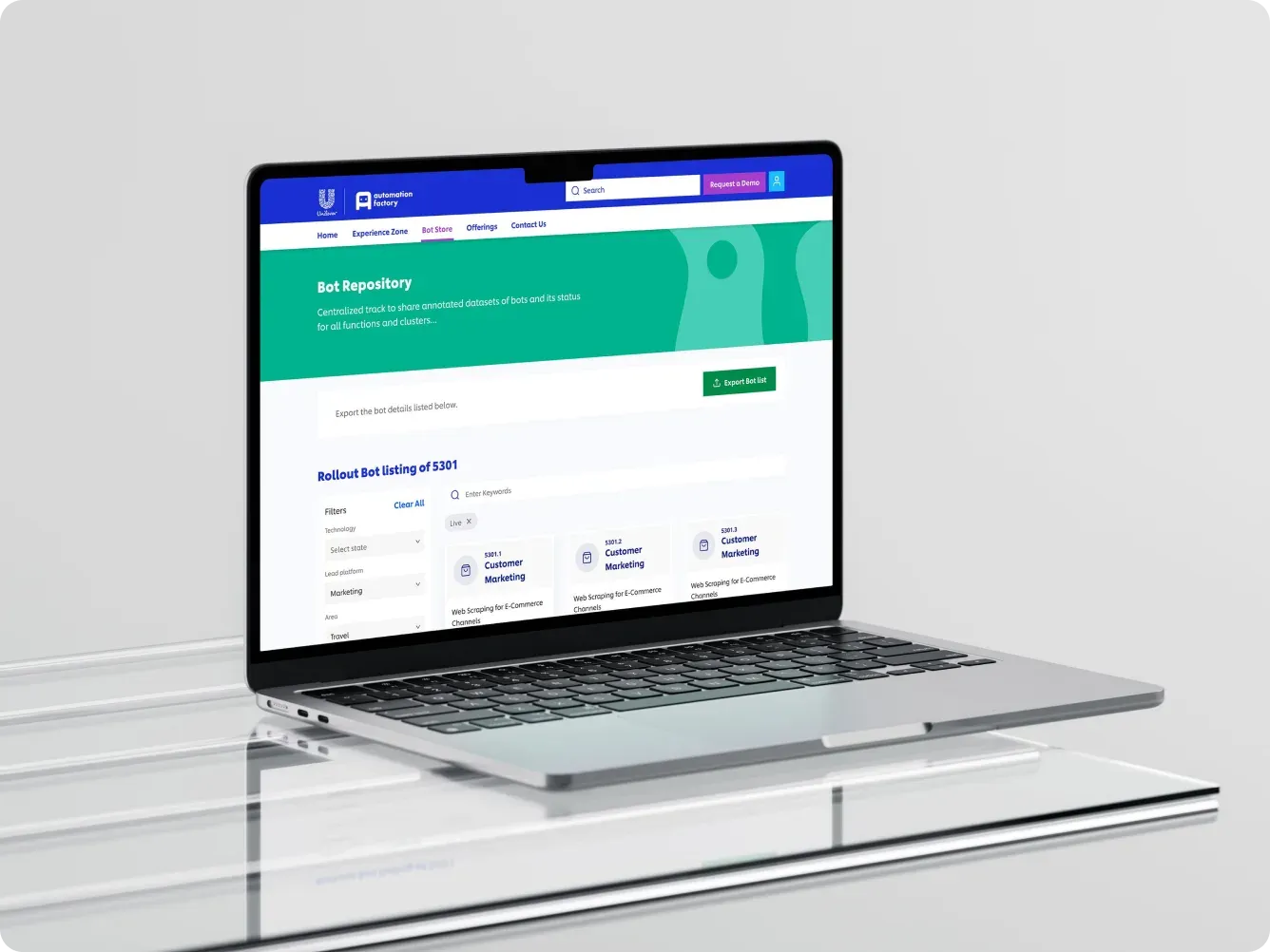





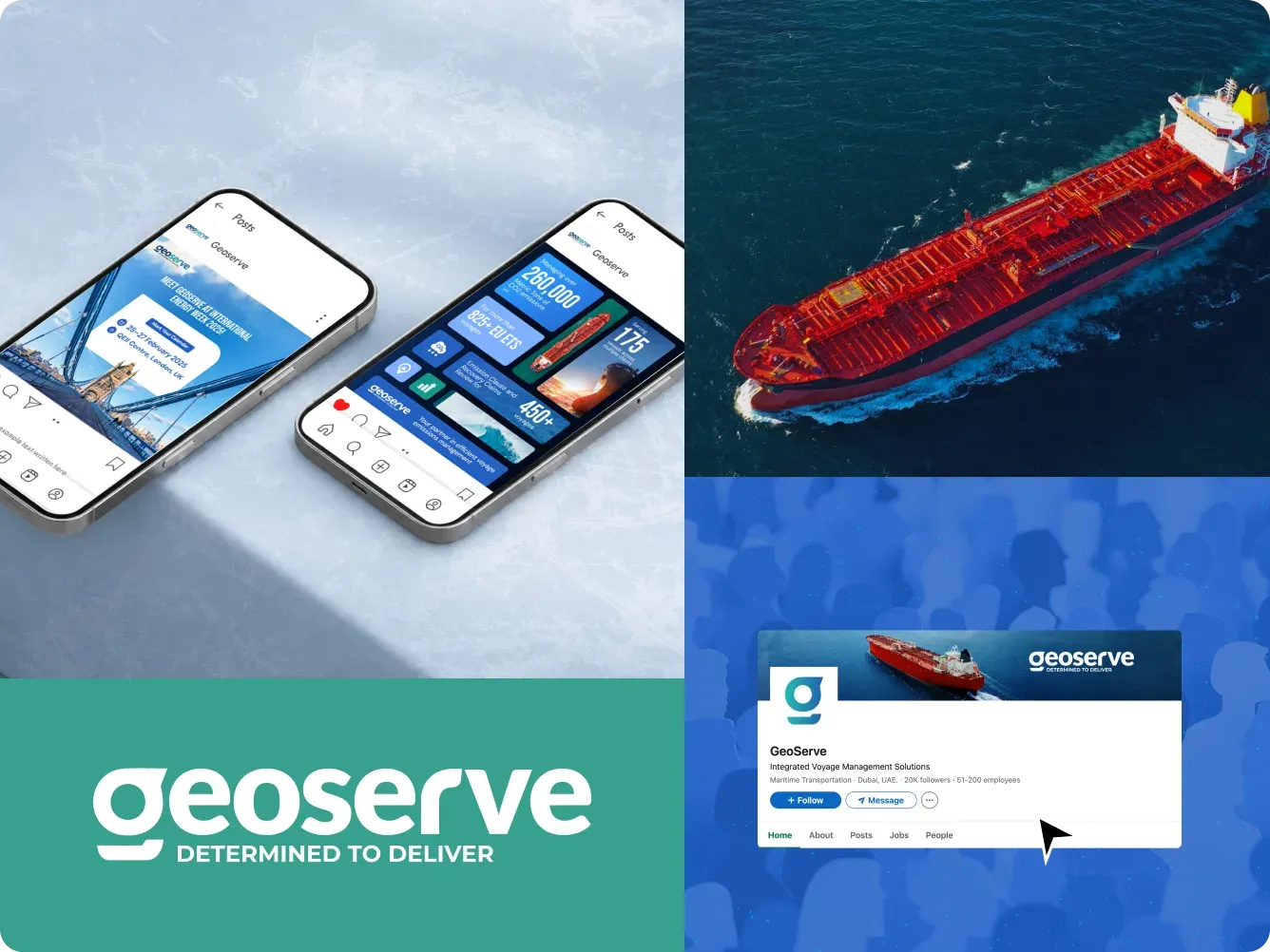

Explore our suite
of services







Frequently Asked Questions
We offer all the fintech app design & development services you need for your banking product.
Get in touch
When drop-off, completion rates, or trust signals are declining, and you can't trace the cause to a technical failure, that's usually a banking app design problem. It also makes sense when your product has grown faster than your design thinking, and the experience no longer reflects the quality of what's underneath.
Fintech startups that have found product-market fit and need design to help them scale. Mid-size financial products that have grown fast and now have an experience debt to pay down. And enterprise teams that need a partner who understands both design rigour and the constraints of regulated industries.
We embed alongside your team rather than working in isolation. Depending on what's needed, we can own specific product areas end-to-end, work as an extension of your design team, or run focused sprints on specific flows. We plug into your existing tools and rituals from day one.
Compliance constraints are a design brief, not a blocker. We've worked on KYC flows, AML checks, and RBI-regulated onboarding, and the lesson every time is that friction isn't mandatory just because regulation is. The question is always: what does the regulation actually require, and where is the design adding unnecessary cost on top of that?
Treating KYC as a compliance obligation rather than a product moment. Most teams design KYC to satisfy the regulator, not to build confidence in a new user. The result is a flow that feels like a bureaucratic hurdle at exactly the point where you need users to trust you most. That gets conversion wrong.
Yes, and the internal tools are often the more neglected side. A relationship manager or ops team using a broken banking CRM every day is a real business problem: slower service, more errors, higher attrition. We design for both surfaces because the quality of the internal experience directly affects the quality of the customer experience.

Need Help where to start?
That's exactly where we begin.
