



The problems we heard about the most
Operators drowning in data they cannot act on
SCADA screens and IoT dashboards surface everything simultaneously, with no hierarchy between critical alerts and noise.
Legacy software the workforce works around
ERP and MES systems accumulate workarounds — parallel spreadsheets and paper logs the interface cannot handle.
Supply chain visibility that stops at the first tier
Control towers show headline metrics but cannot surface the exception signals that drive real decisions.
Modernisation projects that the ops teams refuse to trust
Redesigns that replace familiar systems too quickly disrupt trained workflows and generate more transition errors.
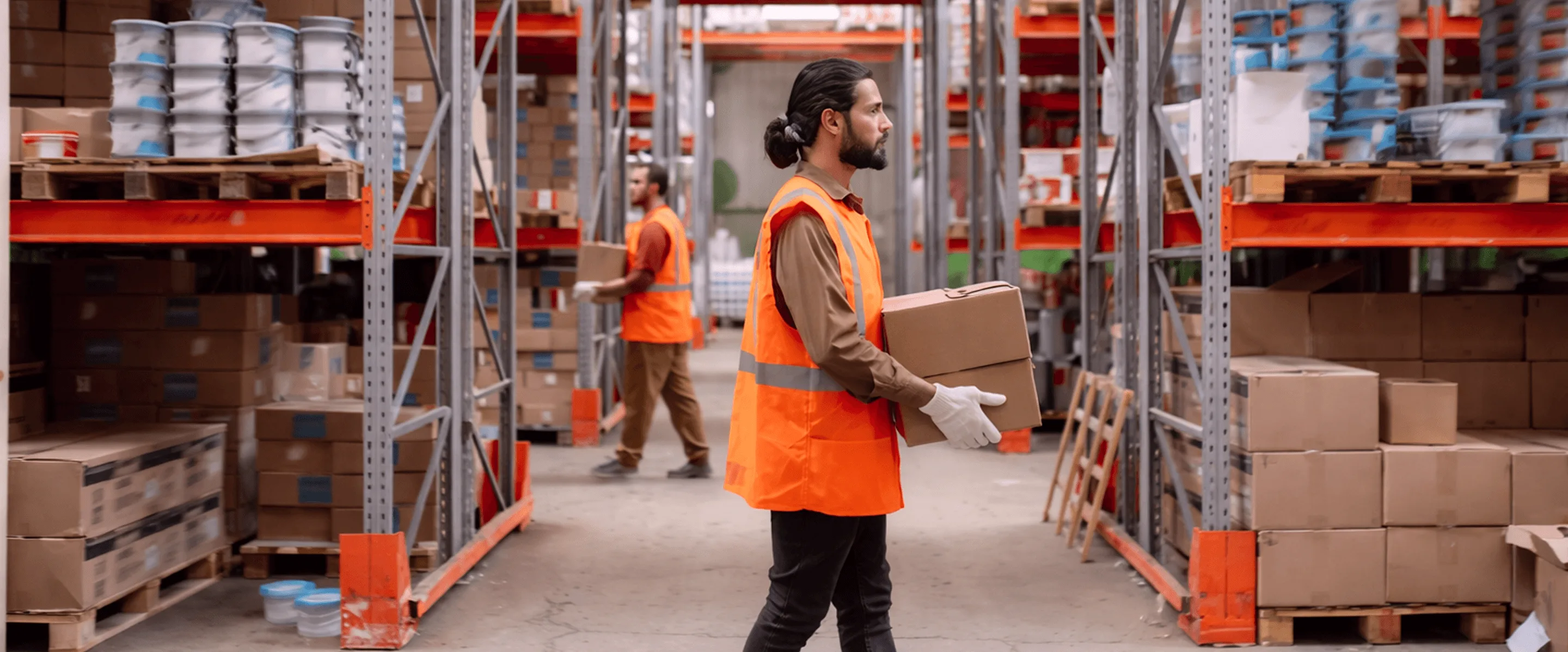
Interfaces designed for screens, not factory floors
Dashboards built for office screens fail on ruggedised tablets used by gloved operators under pressure.
What good design looks like
 Industrial IoT dashboard design with clear visual hierarchies between critical alerts and background telemetrySupply chain control tower interfaces giving dispatchers real-time visibility across supplier tiersManufacturing software modernisation delivered screen by screen, preserving workflows while reducing operational frictionHMI and SCADA interface design aligned with ISA-101 standards for plant floor environmentsFleet and logistics product design for dispatch platforms, route optimisation tools, and warehouse systems
Some of the Clients we served



More success stories







Explore our suite
of services







Frequently Asked Questions
We provide the industrial IoT dashboard design, supply chain UX, and manufacturing software modernisation services that complex operations require.
Get in Touch
Industrial IoT dashboards serve operators making time-critical decisions on hardware often unsuited to complex interfaces. Our approach starts with the decision: what the operator needs to know, and what action follows. Then we build the hierarchy around that. Telemetry density, alarm prioritisation, and contrast are calibrated to the physical context rather than the data model.
Yes, and this is one of the more common briefs we receive. We follow a modular, screen-by-screen approach that deploys updated interfaces as web-based overlays on existing PLC and database architectures. Operations teams continue in familiar environments while new screens are introduced progressively, reducing transition errors and making adoption easier to manage across large teams.
That depends on which decisions the team needs to make the fastest. Most control tower interfaces show too much at the top level and bury exception signals, like delays, inventory anomalies, and fulfilment risks, that need human intervention. We design dashboards so that normal operations require minimal attention and exceptions surface immediately with enough context to act on.
Factory floor hardware introduces constraints that standard enterprise UX does not encounter, such as resistive touchscreens, glove-friendly target sizing, high-glare conditions, and operators who cannot pause to read. We account for these from the earliest stages, specifying touch targets, contrast ratios, and alarm language in line with ISA-101 standards and the hardware context of each specific deployment.
Both, and the challenges differ meaningfully. Startups building logistics platforms need interfaces that make complex data legible to users unfamiliar with incumbent tools. Enterprises modernising existing systems need interfaces that earn operator trust without disrupting trained workflows. We structure our process around how the software will be used before any design decisions are made.

Need Help where to start?
That's exactly where we begin.
